


Building Your Mobile Greenhouse: Key Considerations for Portable Greenhouse Structures
Building a mobile greenhouse is a smart way to grow plants year-round while keeping your options open. It lets us move our growing space to catch the best sunlight or protect plants from harsh weather. If you want a greenhouse that fits your lifestyle and design preferences, focusing on portable greenhouse structures is the way to go. Let’s walk through the key points to consider when building one.
Why Choose Portable Greenhouse Structures?
Portable greenhouse structures offer flexibility that traditional greenhouses don’t. We can relocate them easily, which is perfect if we want to change the layout of our garden or move the greenhouse indoors during winter. These structures also help us maximize sunlight exposure by moving the greenhouse throughout the day or season.
When choosing a portable greenhouse, think about:
Size and weight: It should be light enough to move but sturdy enough to withstand wind and rain.
Materials: Look for durable frames like aluminum or treated wood and coverings like polycarbonate or polyethylene.
Ventilation: Good airflow is essential to prevent overheating and mold.
Ease of assembly: A design that’s easy to put together and take apart saves time and effort.
Portable greenhouses come in many shapes and sizes. Some are small enough to fit on a balcony, while others are large enough to support a full garden. The key is to find one that matches your space and gardening goals.

Planning Your Mobile Greenhouse Design
Before building, we need a clear plan. Start by deciding what plants you want to grow and how much space they need. This helps determine the size and layout of your greenhouse.
Consider these design elements:
Frame shape: A-frame, dome, or hoop styles each have pros and cons. A-frame structures shed snow well, while hoop houses are easier to build.
Mobility features: Adding wheels or a lightweight base makes moving the greenhouse easier.
Insulation: If you want year-round use, think about insulating the walls or adding thermal curtains.
Access points: Doors and windows should be easy to open and close for ventilation and plant care.
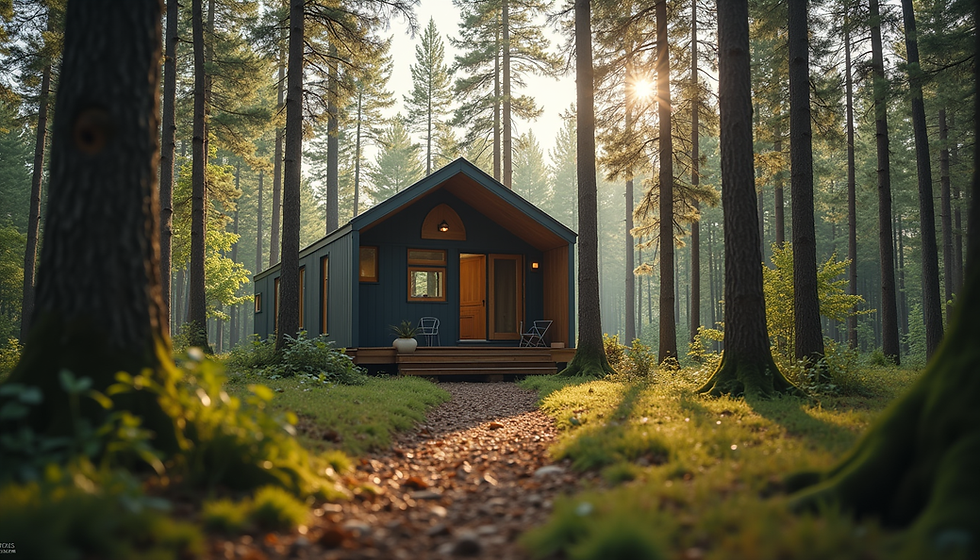
We also want to think about the style. Since many of us appreciate minimalist or lodge-style aesthetics, choose materials and colors that blend with your home or outdoor space. Natural wood frames with clear panels can look both modern and warm.
How much would it cost to have someone build a greenhouse for you?
Hiring a professional to build your greenhouse can save time and ensure quality craftsmanship. Costs vary widely depending on size, materials, and complexity.
Here’s a rough breakdown:
Small portable greenhouses: $1,000 to $3,000
Medium-sized custom greenhouses: $3,000 to $7,000
Large or highly customized structures: $7,000 and up
Labor costs depend on your location and the builder’s expertise. If you want a greenhouse that matches your tiny home or off-grid setup, expect to pay more for custom features like solar-powered ventilation or integrated irrigation.
Working with a mobile greenhouse builder who understands sustainable design and quality craftsmanship is a smart move. They can help you choose materials and features that fit your lifestyle and budget.
Materials and Tools You’ll Need
Choosing the right materials is crucial for durability and function. Here’s what we typically use:
Frame: Aluminum is lightweight and rust-resistant. Treated wood offers a natural look but needs maintenance.
Covering: Polycarbonate panels are strong and provide good insulation. Polyethylene film is cheaper but less durable.
Foundation: A simple wooden base or concrete blocks can keep the structure stable.
Fasteners: Screws, bolts, and brackets designed for outdoor use.
Mobility parts: Heavy-duty wheels or casters if you want to move the greenhouse regularly.
Tools you’ll need include a drill, saw, measuring tape, level, and screwdriver. If you’re new to building, consider kits that come with pre-cut parts and instructions.

Tips for Maintaining Your Mobile Greenhouse
Once your greenhouse is built, keeping it in good shape is key to long-term success. Here are some tips:
Regular cleaning: Wash the panels to keep sunlight coming through.
Check seals and fasteners: Tighten screws and replace worn weather stripping.
Monitor ventilation: Open vents on hot days to prevent overheating.
Inspect wheels or base: Make sure mobility features stay functional.
Seasonal prep: In winter, add insulation or move the greenhouse to a sheltered spot.
By staying on top of maintenance, your mobile greenhouse will serve you well for years.
Bringing It All Together
Building a mobile greenhouse is a rewarding project that combines function, style, and sustainability. By focusing on portable greenhouse structures, we get the flexibility to grow plants wherever conditions are best. Planning carefully, choosing quality materials, and considering your lifestyle needs will help you create a greenhouse that fits perfectly with your tiny home or off-grid living goals.
If you want expert help, working with a mobile greenhouse builder can make the process smoother and ensure a high-quality result. Whether you’re growing herbs on a balcony or starting a full garden, a mobile greenhouse is a smart investment in your sustainable lifestyle.


Comments