


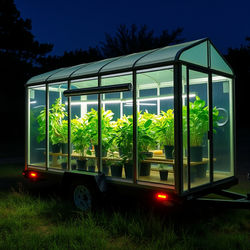


Embracing Solar Power in Tiny Home Living
Updated: Jan 6
Why Choose Solar-Powered Tiny Homes?
Solar-powered tiny homes give us independence. We don’t have to rely on the grid or worry about rising energy costs. Solar panels convert sunlight into electricity, which powers everything from lights to appliances. This setup is especially useful for those who want to live off-grid or travel frequently.
Solar energy is clean and renewable. It doesn’t produce harmful emissions or noise. This aligns well with the tiny home lifestyle, which values minimal impact on the environment. Plus, solar systems are becoming more affordable and efficient, making them a smart choice for tiny homes.
Installing solar panels on a tiny home is easier than we might think. The roof space is limited, This is where Awning style and overhang area's provide excellent coverage and shade for you. Modern panels are compact and powerful. We can also add batteries to store energy for nighttime or cloudy days. This way, we keep our tiny home running smoothly no matter the weather.

Designing Solar-Powered Tiny Homes for Maximum Efficiency
When building or upgrading a tiny home, planning the solar setup early is key. We start by assessing our energy needs. This includes lights, heating, cooling, cooking, and electronics. Knowing this helps us choose the right size solar system.
Orientation matters. Placing solar panels where they get the most sun, usually facing south in the northern hemisphere, boosts energy production. We also consider shading from trees or nearby buildings. Even small shadows can reduce panel output.
Using energy-efficient appliances and LED lighting reduces power consumption. This means we need fewer solar panels and smaller batteries. Insulation and ventilation also play a role in keeping energy use low by maintaining comfortable temperatures inside.
We can integrate solar power with other green features like rainwater collection and composting toilets. This creates a fully sustainable tiny home that supports a simple, eco-friendly lifestyle.
How Much Solar Power Do I Need to Run a Tiny Home?
Calculating the right amount of solar power starts with listing all the devices and their wattage. For example:
LED lights: 5-10 watts each
Refrigerator: 100-200 watts
Laptop: 50 watts
Water pump: 60 watts
Heater or air conditioner: 500-1500 watts (if used)
Next, we estimate how many hours each device runs daily. Multiply watts by hours to get watt-hours per day. Add all devices to find total daily energy use.
A typical tiny home might use between 500 and 1500 watt-hours per day. To cover this, a solar system with 300-600 watts of panels and a battery bank of 1000-2000 watt-hours is common.
Remember to factor in inefficiencies and cloudy days by adding a 20-30% buffer. This ensures we have enough power even when the sun isn’t shining bright.
Setting Up Your Solar System: What You Need
A basic solar power system for a tiny home includes:
Solar panels - Capture sunlight and convert it to electricity.
Charge controller - Regulates power going to the batteries to prevent overcharging.
Battery bank - Stores energy for use when the sun isn’t out.
Inverter - Converts stored DC power to AC power for household appliances.
Wiring and mounting hardware - Connects and secures the system components.
Choosing quality components is important for safety and longevity. We recommend working with experienced installers or consulting guides like those from smithtinyandsolar to get the best setup for our needs.
Maintenance is simple. Keep panels clean and check connections regularly. Batteries may need replacement every 5-10 years depending on type and use.

Living Off-Grid with Solar-Powered Tiny Homes
Solar power lets us live off-grid comfortably. We can camp in remote locations or park our tiny home where utilities aren’t available. This freedom is a big part of the appeal.
To make off-grid living easier, we combine solar with other systems:
Water collection and filtration for clean drinking water.
Composting toilets to reduce waste and water use.
Energy-efficient cooking appliances like propane stoves or induction cooktops powered by solar.
We also develop habits to conserve energy, such as turning off lights when not in use and using natural light during the day. These small changes extend battery life and reduce the need for large solar arrays.
Embracing a Sustainable Lifestyle with Solar Power
Solar-powered tiny homes are more than just a trend. They represent a shift toward simpler, greener living. By harnessing the sun’s energy, we reduce our reliance on fossil fuels and lower our carbon footprint.
This lifestyle encourages us to think carefully about what we consume and how we use resources. It’s about quality over quantity and finding joy in less.
Smith Tiny Homes supports this vision by offering custom tiny homes designed for year-round living. They also provide business trailer solutions and upgrades tailored to your needs. Their open-minded approach to design helps bring our sustainable living dreams to life.
If we’re ready to explore solar power for our tiny home, check out resources like smithtinyandsolar for guidance and inspiration.
Conclusion: The Future of Tiny Home Living
Solar power makes tiny home living practical and eco-friendly. With the right setup, we enjoy energy independence and a lighter impact on the planet. It’s a smart choice for anyone looking to live simply and sustainably.
By choosing solar, we not only embrace a sustainable lifestyle but also contribute to a healthier planet. Let’s take this step together and make our tiny home dreams a reality.


Comments