


Creating Off-Grid Tiny Homes for Independence and Off-Grid Tiny Living
Living simply and sustainably is more than a trend. It’s a lifestyle choice that many of us want to embrace. Creating off-grid tiny homes offers a way to live independently, reduce our environmental impact, and enjoy freedom from traditional utilities. We can build a space that fits our needs, stays within budget, and supports a greener way of life.
In this post, we’ll explore how to create off-grid tiny homes, the benefits of off-grid tiny living, and practical tips to get started. We’ll also touch on some important questions about tiny homes in Nevada and how to make your tiny home truly self-sufficient.
What Is Off-Grid Tiny Living?
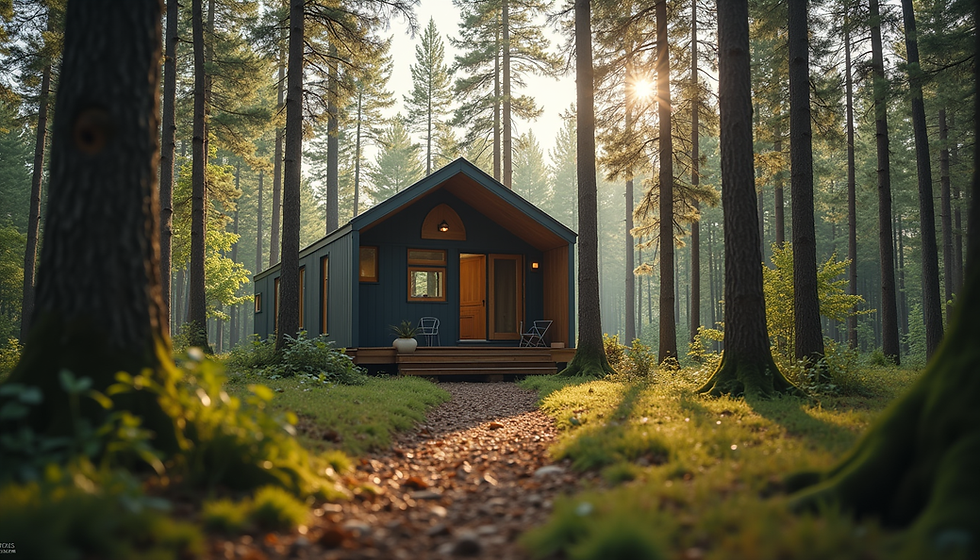
Off-grid tiny living means living in a small home that is not connected to public utilities like water, electricity, or sewer systems. Instead, these homes rely on alternative sources such as solar panels, rainwater collection, and composting toilets. The goal is to be self-sufficient and reduce reliance on outside resources.
This lifestyle appeals to those who want to:
Lower their living costs
Reduce their carbon footprint
Live closer to nature
Have more control over their home and energy use
Off-grid tiny homes are usually built on trailers or small foundations. They are designed to maximize space and efficiency. Every square foot counts, so smart design is key.

How to Create Your Own Off-Grid Tiny Home
Building an off-grid tiny home takes planning and some know-how. Here are the main steps to consider:
1. Choose Your Location Wisely
Your site affects everything. Look for a place with good sun exposure for solar power. Access to natural water sources or rainwater collection is important. Also, check local zoning laws and building codes to make sure tiny homes are allowed.
2. Design for Efficiency
Space is limited, so every inch must serve a purpose. Use multi-functional furniture and built-in storage. Plan for natural light and ventilation to reduce energy needs.
3. Power Your Home
Solar panels are the most common choice. Pair them with batteries to store energy for nighttime or cloudy days. Consider a backup generator for emergencies.
4. Manage Water
Collect rainwater with gutters and storage tanks. Use water filters to make it safe for drinking. For wastewater, composting toilets and greywater systems help reduce waste.
5. Insulate and Heat
Good insulation keeps your home comfortable year-round. Use energy-efficient heaters or wood stoves for warmth in colder months.
6. Build or Buy
You can build your tiny home yourself or work with a builder who specializes in off-grid designs. Custom builders like Smith Tiny Homes offer tailored solutions for off-grid living and business trailers.
7. Plan for Maintenance
Off-grid systems need regular checks. Keep your solar panels clean, monitor water quality, and maintain your heating system.
Does Nevada Allow Tiny Homes?
Nevada has been making progress in allowing tiny homes, but rules vary by county and city. Some areas permit tiny homes on wheels as accessory dwelling units (ADUs), while others have restrictions on minimum square footage or foundation types.
If you’re considering off-grid tiny living in Nevada, it’s important to:
Check local zoning laws carefully
Understand building codes for tiny homes
Look into permits for water and septic systems
Consult with local officials or tiny home builders familiar with Nevada regulations
Nevada’s climate is well-suited for solar power, making it a great place for off-grid tiny homes. However, water access can be a challenge in some regions, so plan your water system accordingly.

Benefits of Off-Grid Tiny Homes
Choosing off-grid tiny homes brings many advantages:
Lower Costs: No utility bills and smaller space means less money spent on energy and maintenance.
Environmental Impact: Using renewable energy and conserving water reduces your footprint.
Mobility: Many tiny homes are built on trailers, so you can move if needed.
Simplicity: Living with less stuff and fewer distractions can improve mental well-being.
Customization: You control the design and systems to fit your lifestyle.
These benefits make off-grid tiny living appealing for those who want freedom and sustainability.
Tips for Living Comfortably Off-Grid
Living off-grid requires some adjustments. Here are tips to make it easier:
Monitor Energy Use: Track your solar power and battery levels daily.
Conserve Water: Use low-flow fixtures and reuse greywater when possible.
Plan Meals: Cooking with limited power means planning ahead.
Stay Connected: Use solar-powered chargers for devices.
Prepare for Weather: Have backup heating and cooling options.
Build Community: Connect with others living off-grid for support and advice.
By staying organized and mindful, off-grid tiny living can be comfortable and rewarding.
Why Choose Smith Tiny Homes for Your Off-Grid Project?
Smith Tiny Homes specializes in custom, high-quality tiny homes designed for year-round living. They understand the unique needs of off-grid living and offer solutions that combine sustainability with comfort.
They also provide:
Custom business trailers for mobile workspaces
Remodels and upgrades tailored to your lifestyle
Designs that maximize space and energy efficiency
Working with a builder who knows off-grid tiny homes ensures your project runs smoothly and meets your goals.
Creating your own off-grid tiny home is a journey toward independence and sustainability. With careful planning and the right support, you can build a home that fits your needs and values. Whether you want a cozy retreat or a full-time residence, off-grid tiny living offers freedom and peace of mind.
Explore options, learn from experts, and start designing your tiny home today. The simpler life you want is within reach.


Comments