


Crafting the Perfect Community Design: Steps to Get Started
Updated: Feb 6
Starting a Community: A Guide to Thoughtful Design
Starting a community is an exciting journey. Whether we want to build a neighborhood, a group of homes, or a shared living space, planning the design is key. A well-thought-out design helps create a place where people feel connected, safe, and comfortable. This post will guide us through the steps to plan a community design that works well for everyone involved.
Understand Your Community’s Purpose and Needs
Before we draw any plans, let’s think about why we want to start a community. What kind of people will live there? What will bring them together? Knowing the purpose helps shape the design.
We can ask questions like:
Will this be a family-friendly neighborhood or a place for singles and retirees?
What shared spaces do we want? Parks, gardens, community centers?
How important is sustainability and energy efficiency?
Answering these questions gives us a clear direction. For example, if we want a community focused on eco-friendly living, we might consider homes that use solar power and green materials.
Choose the Right Location
Location affects everything from daily life to community growth. We should look for a place that fits our goals and offers good access to schools, shops, and transport.
Consider:
The size and shape of the land
Natural features like trees, hills, or water
Local rules and zoning laws
A well-chosen site makes it easier to design a community that feels natural and inviting.
Plan the Layout with People in Mind
The layout is how homes, roads, and shared spaces fit together. A good layout encourages interaction and makes life easier.
Let’s think about:
How close homes should be to each other
Where to place parks, playgrounds, or community gardens
Safe walking paths and bike lanes
For example, a cluster of small homes around a shared green space can help neighbors meet and build friendships. This design also saves space and creates a cozy feel.
Consider Sustainable and Affordable Housing Options
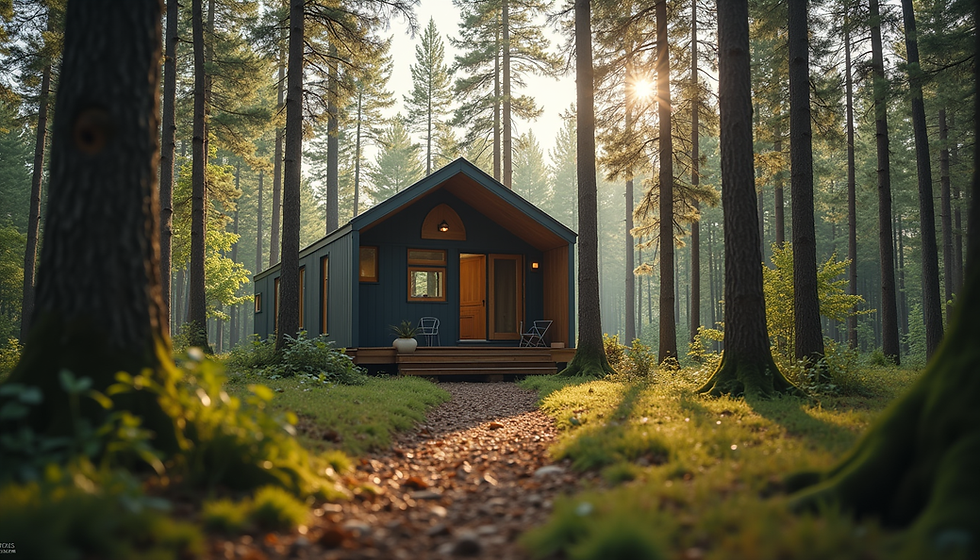
Building a community today means thinking about the environment and costs. One way to do this is by using tiny homes that are energy-efficient and affordable.
A great example is the Solar Community Tiny Homes. These homes use solar power to reduce energy bills and have a small footprint, which means less land is needed. They fit well in communities that want to be green and budget-friendly.
Using tiny homes can also speed up building time and lower maintenance costs. This makes it easier to welcome more people into the community.

Design Shared Spaces That Bring People Together
Shared spaces are the heart of any community. They give people places to meet, relax, and enjoy activities.
Let’s plan for:
Community gardens where residents can grow food
Play areas for children
Outdoor seating and picnic spots
Spaces for events like markets or movie nights
These areas should be easy to reach from all homes. Good lighting and seating make them welcoming at any time of day.
Think About Infrastructure and Services
A community needs more than homes and parks. Roads, water, electricity, and internet are essential.
We should make sure to:
Plan roads that are safe and easy to navigate
Include space for parking without crowding the area
Use renewable energy sources when possible, like solar panels
Provide access to clean water and waste management
For example, communities using solar-powered homes can reduce their reliance on the grid. This lowers costs and helps the environment.
Involve Future Residents in the Planning
People who will live in the community have valuable ideas. Let’s invite them to share their thoughts early on.
Ways to involve residents include:
Holding meetings or workshops
Using surveys to gather opinions
Creating a shared online space for ideas
This helps build trust and ensures the design meets real needs. It also creates a sense of ownership and pride.
Plan for Growth and Change
Communities evolve over time. Our design should allow for new homes, changing needs, and improvements.
Let’s keep in mind:
Space for future buildings or expansions
Flexible shared spaces that can serve different purposes
Easy access to update infrastructure
Planning for change means the community can stay vibrant and useful for years.
Embrace a Sustainable Lifestyle
Living in a community that prioritizes sustainability is rewarding. We can encourage eco-friendly practices among residents. This includes recycling, composting, and using renewable energy sources.
By fostering a culture of sustainability, we help everyone feel connected to the environment. This shared commitment can strengthen bonds among residents.
Final Thoughts on Starting Your Community Design
Designing a community takes time and care. We start by understanding our goals and the people we want to serve. We choose a location that fits our vision. We plan homes and shared spaces that encourage connection and comfort. We think about sustainability and affordability, like using solar-powered tiny homes to save energy and space.
Let’s involve future residents to make sure the community feels right for everyone. Finally, we design with the future in mind so our community can grow and thrive.
If we want to explore sustainable housing options, check out the Solar Community Tiny Homes. They offer a practical way to build a green, affordable community.
By following these steps, we can create a thriving community that meets the needs of its residents while embracing a simpler, more sustainable lifestyle.


Comments