


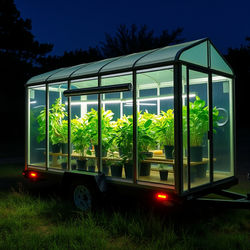


Innovative Solar and Wind Solutions for Home Energy Independence with Unique Structures
Harnessing renewable energy at home has become a practical way to reduce energy costs and increase self-sufficiency. While rooftop solar panels are common, there are creative alternatives that avoid roof installations yet still deliver efficient energy production. This post explores how adding solar awnings and standalone windmills can transform your home energy setup, providing clean power without compromising your roof’s structure.

Using Solar Awnings to Capture Sunlight
Solar awnings are panels mounted on structures like porches, patios, or pergolas instead of rooftops. They serve dual purposes: shading outdoor spaces and generating electricity. This approach is ideal for homes where roof space is limited, shaded, or unsuitable for solar panels.
Benefits of Solar Awnings
Shade and Comfort: Solar awnings reduce heat gain inside the home by shading windows and outdoor areas.
Energy Production: They convert sunlight into electricity, which can power household appliances or charge batteries.
Flexible Placement: Since they are separate from the roof, awnings can be positioned for optimal sun exposure.
Aesthetic Appeal: Modern solar awnings come in sleek designs that complement home exteriors.
Practical Considerations
Orientation: Position the awning where it receives maximum sunlight, typically facing south or west.
Size and Capacity: The awning’s size determines how much energy it can produce. A typical solar awning can generate between 200 to 600 watts depending on panel quality.
Integration: Connect the awning system to your home’s electrical setup with an inverter and battery storage for continuous power supply.
Adding a Windmill for Consistent Energy
Wind energy can complement solar power by generating electricity when sunlight is low or unavailable. Installing a small windmill on your property provides an additional renewable energy source that works day and night.

Advantages of a Home Windmill
Round-the-Clock Power: Windmills generate electricity whenever wind speeds are sufficient, including at night.
Space Efficiency: A single windmill requires minimal ground space and can be installed away from the house.
Energy Balance: Wind energy can offset solar power dips during cloudy days or winter months.
Long-Term Savings: After installation, windmills reduce reliance on grid electricity, lowering monthly bills.
What to Keep in Mind
Wind Availability: Check average wind speeds in your area; 9 mph or higher is ideal for small wind turbines.
Height and Placement: Windmills perform better when placed on tall poles or towers to catch stronger winds above obstructions.
Noise and Maintenance: Modern small windmills operate quietly and require minimal upkeep, but periodic inspections are necessary.
Combining Solar Awnings and Windmills for Energy Independence
Using both solar awnings and a windmill creates a balanced energy system that maximizes renewable power generation. This combination reduces dependence on any single source and improves overall reliability.
How to Integrate Both Systems
Separate Installations: Mount solar awnings on porch or patio structures, and place the windmill in an open area with good wind exposure.
Shared Storage: Connect both systems to a common battery bank to store excess energy for use during low production periods.
Smart Controllers: Use energy management systems to optimize power flow between solar, wind, battery, and home consumption.
Real-Life Example
A homeowner in a suburban area installed a solar awning over their patio, generating about 400 watts during peak sun hours. They also set up a 1 kW windmill on a 30-foot pole in their backyard. Together, these systems supply nearly 60% of their annual electricity needs, cutting utility bills significantly and providing backup power during outages.
Practical Tips for Installation and Use
Consult Professionals: Work with renewable energy installers to assess your property’s solar and wind potential.
Plan for Permits: Check local regulations for windmill installation and structural modifications.
Monitor Performance: Use monitoring tools to track energy production and system health.
Maintain Equipment: Clean solar panels regularly and inspect windmill blades and mechanical parts.
Final Thoughts on Home Energy Solutions
Adding solar awnings and a windmill to your home offers a practical way to generate clean energy without relying on rooftop panels. These structures provide shade, reduce energy costs, and increase your home's resilience to power interruptions. By combining solar and wind power, you create a more reliable and balanced energy system tailored to your property’s unique conditions.


Comments