


Spring fever setting in on your home projects? Looking to make them more Energy efficient?
Spring is the perfect time to tackle home projects. The weather is warming up, daylight lasts longer, and the urge to refresh your space kicks in. But while you’re busy planning upgrades, why not make your home more energy efficient? It’s a smart way to save money, reduce your carbon footprint, and boost comfort. Let’s explore practical, fun ways to bring energy efficiency into your spring projects without turning your home into a science experiment.

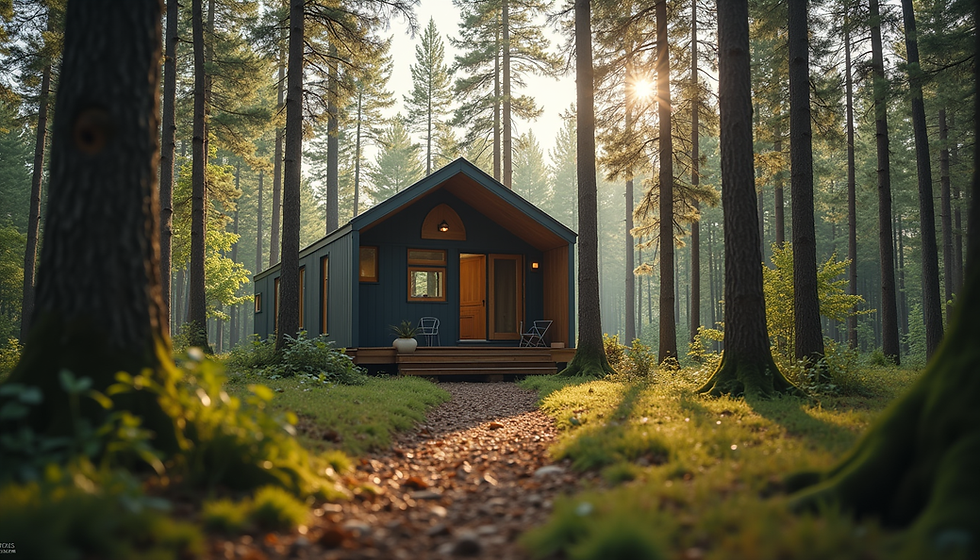
Tiny Home village created by SmithTinyHomesLLC @smithinyandsolar www.smithtinyhomes.com your custom tiny home and Energy solutions provider
Start with windows and doors
Windows and doors are the gateways for heat to escape or sneak in. Fixing drafts and improving insulation can make a big difference.
Seal gaps and cracks: Use weatherstripping or caulk around window frames and door edges. It’s cheap, easy, and stops chilly air from sneaking in.
Upgrade window treatments: Thermal curtains or cellular shades trap heat in winter and block heat in summer. Plus, they add style.
Consider window replacement: If your windows are old and single-pane, upgrading to double or triple-pane windows with low-emissivity (Low-E) coatings can cut energy loss by up to 30%.
Boost insulation in key areas
Insulation is your home’s thermal blanket. Adding or improving it keeps your home cozy in winter and cool in summer.
Attic insulation: Heat rises, so a well-insulated attic prevents warm air from escaping. Adding insulation here can reduce heating costs by up to 20%.
Wall insulation: If your walls lack insulation, consider blown-in insulation. It’s less disruptive than tearing down walls.
Floor insulation: Don’t forget floors above unheated spaces like garages or basements. Insulating these areas stops cold drafts.
Upgrade your heating and cooling systems
Heating and cooling often make up the biggest chunk of your energy bills. Small upgrades can lead to big savings.
Programmable thermostat: Set your heating and cooling to match your schedule. Lower the heat when you’re out or asleep.
Regular maintenance: Clean or replace filters, check ducts for leaks, and schedule professional tune-ups.
Consider energy-efficient units: If your HVAC system is old, look for ENERGY STAR-rated models. They use less energy and perform better.
Switch to energy-saving lighting
Lighting is an easy win for energy efficiency.
Replace bulbs: Swap out incandescent bulbs for LEDs. LEDs use up to 85% less energy and last 25 times longer.
Use smart lighting: Install motion sensors or smart bulbs that you can control remotely. They help avoid wasting light in empty rooms.
Maximize natural light: Arrange furniture to take advantage of daylight and reduce the need for artificial lighting.
Upgrade appliances and electronics
Old appliances can be energy hogs. When it’s time to replace, choose energy-efficient models.
Look for ENERGY STAR labels: These appliances meet strict energy efficiency guidelines.
Unplug devices: Many electronics use power even when off. Use power strips to cut power completely.
Use appliances wisely: Run dishwashers and laundry machines with full loads and during off-peak hours if possible.
Add smart home features
Smart home technology can make energy efficiency easier and more fun.
Smart thermostats: Learn your habits and adjust heating and cooling automatically.
Smart plugs and power strips: Control devices remotely and schedule when they turn on or off.
Energy monitoring: Some systems track your energy use and suggest ways to save.
Outdoor projects that save energy
Don’t forget your home’s exterior when planning spring projects.
Plant shade trees: Trees on the south and west sides of your home can block summer sun and reduce cooling costs.
Install awnings or pergolas: These structures provide shade and lower indoor temperatures.
Upgrade outdoor lighting: Use solar-powered or LED lights for pathways and patios.
Small changes add up
Energy efficiency doesn’t mean you have to overhaul your entire home at once. Small projects can add up to big savings and a more comfortable living space.
Replace door sweeps to block drafts.
Use draft stoppers on windowsills.
Switch to low-flow showerheads to save hot water.
Add rugs to bare floors to reduce heat loss.


Comments