


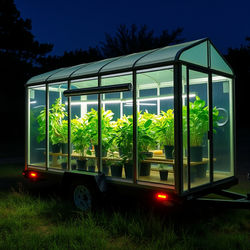


Start Harvesting the Sun With a custom built portable Solar Generator
Updated: May 18
Harnessing solar energy has become more accessible and practical than ever. A custom-built portable solar generator offers a flexible, eco-friendly power source that fits various needs. Whether we want to power our camping gear, keep our devices charged during a blackout, or reduce our carbon footprint, building our own solar generator can be a rewarding project. This post explains how to get started, what components we need, and tips for making the most of our portable solar power system.

Why Choose a Custom Built Portable Solar Generator?
Commercial solar generators can be expensive and may not meet our specific power needs. Building our own lets us:
Customize capacity based on our energy requirements.
Select components that fit our budget and preferences.
Expand or upgrade the system over time.
Understand our power system better for safer and more efficient use.
A portable solar generator is especially useful for outdoor enthusiasts, emergency preparedness, and anyone wanting off-grid power without the noise and fumes of gas generators.
Key Components of a Portable Solar Generator
To build a reliable solar generator, we need several essential parts:
Solar Panels: Capture sunlight and convert it into electricity. Look for panels with good wattage and efficiency ratings.
Charge Controller: Regulates the voltage and current from the solar panels to protect the battery from overcharging.
Battery: Stores the energy generated by the panels. Deep cycle lithium or AGM batteries are common choices for portability and durability.
Inverter: Converts the stored DC power into AC power to run household devices.
Wiring and Connectors: Proper cables and connectors ensure safe and efficient power flow.
Choosing quality components ensures our system runs smoothly and lasts longer.
How to Build Your Portable Solar Generator
Follow these steps to assemble our solar generator:
Calculate Your Power Needs
List the devices we want to power and their wattage. Multiply wattage by hours of use to estimate daily energy consumption in watt-hours (Wh). This helps determine the battery size and solar panel wattage.
Select the Battery
Choose a battery that can store enough energy for our needs. For example, a 100Ah 12V battery stores about 1200Wh (100Ah × 12V). Consider weight and size for portability.
Pick Solar Panels
Match panel wattage to our battery capacity and sunlight availability. For instance, a 100W panel can generate roughly 400Wh per day in good sun.
Choose a Charge Controller
Use a controller rated for our panel’s voltage and current. MPPT controllers are more efficient than PWM types.
Add an Inverter
Select an inverter that can handle the total wattage of our devices. Pure sine wave inverters provide cleaner power for sensitive electronics.
Assemble and Connect
Mount the solar panels, connect the charge controller to the battery and panels, then connect the inverter to the battery. Use proper fuses and breakers for safety.
Test the System
Check voltages and connections before plugging in devices. Monitor charging and discharging to ensure everything works correctly.
Practical Tips for Using Your Solar Generator
Position panels for maximum sun exposure
Angle panels toward the sun and avoid shade to maximize energy capture.
Monitor battery health
Avoid deep discharges to extend battery life. Use a battery monitor if possible.
Keep components clean
Dust and dirt reduce panel efficiency. Wipe panels regularly.
Plan for energy efficiency
Use LED lights and energy-saving devices to stretch our stored power.
Consider portability
Use a sturdy case or frame with handles or wheels for easy transport.

Real-Life Example: Powering a Weekend Camping Trip
Imagine we want to power a small fridge (50W), LED lights (10W), and charge phones (10W) for a weekend camping trip. We plan to use these devices for 8 hours a day.
Total wattage: 50 + 10 + 10 = 70W
Daily energy use: 70W × 8h = 560Wh
We choose a 12V 100Ah battery (1200Wh capacity) to cover two days without sun. A 100W solar panel can generate about 400Wh per day, so two panels would recharge the battery fully during daylight. A 20A MPPT charge controller and a 300W pure sine wave inverter complete the setup.
This system provides reliable power for our trip without noise or fuel.
Final Thoughts on Building Your Solar Generator
Building a custom portable solar generator puts us in control of our power needs. It offers flexibility, cost savings, and a chance to learn about renewable energy. Start small, plan carefully, and expand our system as needed. With the right components and setup, we can enjoy clean, quiet power wherever we go.
Embracing Sustainable Living
As we explore the world of portable solar generators, we find that they not only provide power but also align with our values of sustainability. By harnessing the sun's energy, we reduce our reliance on fossil fuels. This shift helps us embrace a simpler, more eco-friendly lifestyle.
Using a portable solar generator encourages us to think about our energy consumption. It reminds us to be mindful of how we use power in our daily lives. We can take pride in knowing that we are making a positive impact on the environment.
In conclusion, building a portable solar generator is more than just a project. It's a step toward a sustainable future. We invite you to join us on this journey toward energy independence and environmental responsibility.
For more information about our products, check out the Portable Solar Bucket_ Smith tiny and Solar.


Comments